

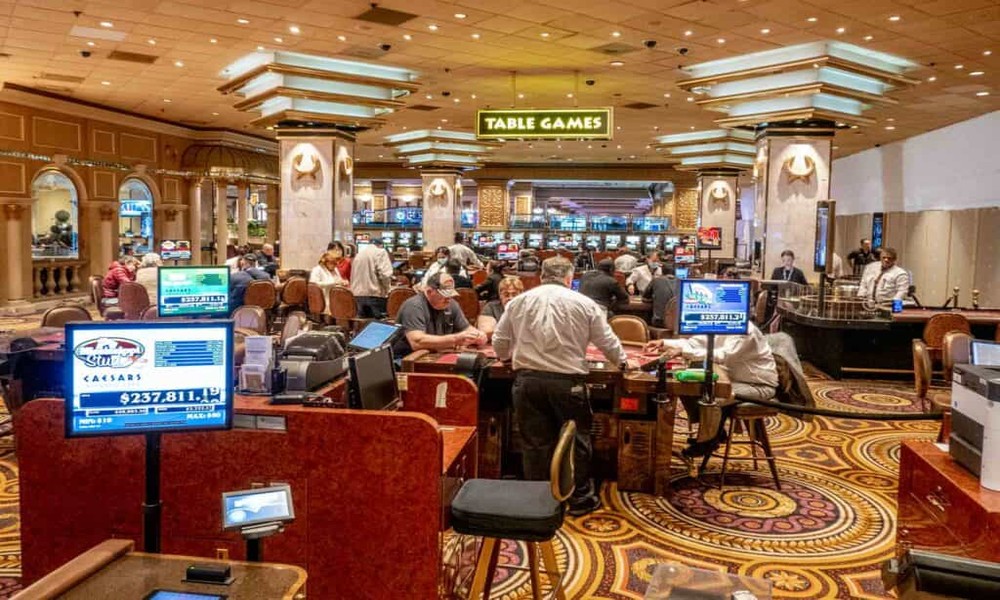
Primary wide-angle camera positions cover the full table surface, placing both the Player and Banker dealing zones within a single frame that establishes spatial orientation before the dealing sequence begins and communicates the relative position of each hand zone. This wide frame serves as the baseline camera state from which all other angle transitions originate and return. บาคาร่าออนไลน์ live camera systems use this position to present the complete table layout during the betting period, keeping all active zones simultaneously visible as selections are placed. Road map panels and shoe status displays visible within the wide frame provide contextual data alongside the table layout without requiring a camera transition to access them. The wide angle also functions as the result framing position, returning at the conclusion of the dealing sequence to present both completed hands within a single image as the outcome is declared and the settlement phase begins.
Close reveal angle activation
Close-focus angles activate at the moment each card enters the dealing zone, enlarging the face value and suit graphic to a scale that makes identification unambiguous during the reveal. The transition from wide to close occurs at card placement rather than at the beginning of the dealing stage, so the wide frame remains active until the card physically enters the zone. The close angle clears and returns to wide only after the face reveal animation completes and the hand total updates, ensuring the card value is fully registered before the frame widens to the next placement position.
Activation and clearance cycle repeats for each card in the dealing sequence without variation in transition timing between cards. Third card draws receive identical close reveal treatment regardless of which hand draws, maintaining consistent angle behaviour across all card placements within the round. The close angle does not persist between card placements, so the interface returns to the wide orientation during each inter-card interval rather than holding the close frame across multiple dealing events.
Squeeze sequence camera behaviour.
Squeeze reveal mechanics extend the close-angle duration beyond a standard face reveal, holding the close frame through each intermediate exposure stage until the full card face locks into its final position. The camera does not return to wide during intermediate squeeze stages, maintaining the close frame through the entire exposure sequence. This extended close duration is calibrated to the squeeze animation length rather than to a fixed time interval, so the frame transitions back to wide at squeeze completion regardless of how many intermediate stages the sequence contains.
Angle transitions at a round conclusion.
At the conclusion of the dealing sequence, the camera holds the wide table frame through the outcome declaration, settlement transition, and balance update. Both hand zones remain simultaneously visible within this frame as the result is confirmed, providing a complete spatial reference that connects the declared outcome to the card positions established during the dealing sequence. The wide result frame persists until the next betting period opens, at which point the camera remains in the same position as the bet layout activates and selections begin accumulating within the visible zones.
Live baccarat camera angle sequences align each transition directly with a dealing event, keeping visual focus on the procedural stage active at every moment. Wide frames establish table orientation and present round conclusions, while close frames reveal angles that isolate each card placement, collectively producing a coherent visual record from the betting period through the final settlement.