

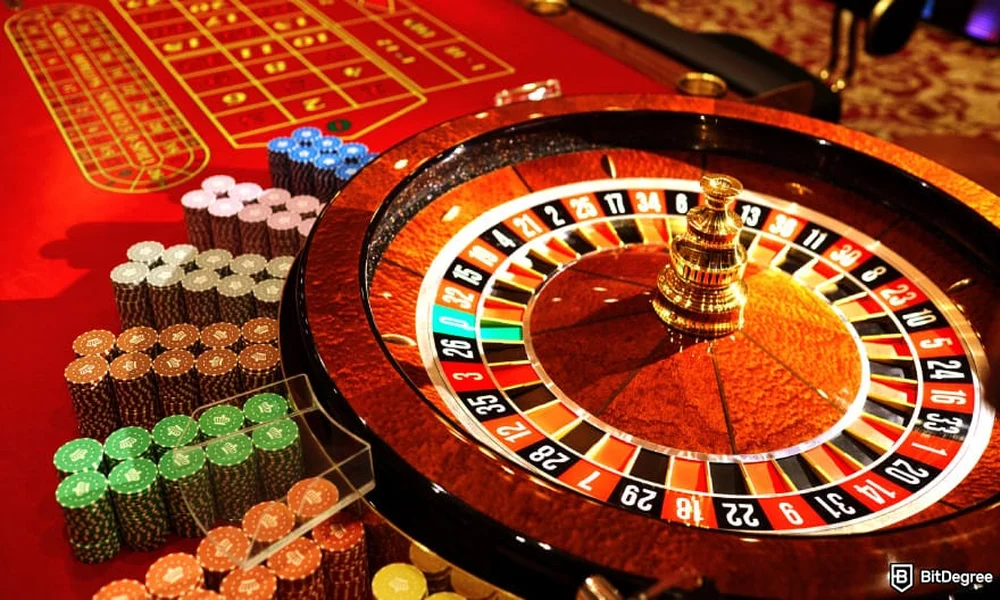
Ranking systems in bitcoin gambling roulette do more than display who played the most. A leaderboard gives each session a second layer of meaning, connecting individual table activity to a broader competitive outcome that persists across days or weeks. Players stop measuring success purely by spin results and start tracking cumulative performance against others active on the same tables. This shift changes how sessions feel and how frequently players return. For anyone engaged with btc-roulette gambling tables, leaderboard standing becomes a parallel metric that runs alongside wallet balance as a measure of genuine table presence.
Competitive engagement layer
Roulette on its own resolves cleanly. A bet goes down, the wheel turns, and the outcome settles in seconds. Nothing about that sequence connects one session to the next. Leaderboards change that. Rankings accumulate across rounds and sessions, creating continuity where none existed before. Players who check their standing mid-period start factoring position into decisions about session length and frequency. Returning to a table carries additional motivation beyond chasing a winning spin. Maintaining or climbing a rank becomes its own objective, separate from any single round’s outcome.
Reward distribution structure
Prize pools in bitcoin gambling roulette leaderboards are funded through rake collected during the active competition window. What accumulates across all participating sessions forms the pool that is distributed at period close based on final standing?
Typical distribution across qualifying ranks works as follows:
- First-tier positions: Capture the largest share, reflecting sustained high-volume performance held across the full competition period
- Mid-tier positions: Receive meaningful allocations that reward consistent engagement without requiring a top finish
- Lower qualifying ranks: Earn smaller fixed amounts, acknowledging active participation throughout the window
- Operator supplements: Fixed promotional additions guarantee minimum prize totals during quieter competition periods
Payouts go directly to player crypto wallets at period close without requiring a manual claim step.
Transparency in rankings
Wallet addresses on leaderboards appear partially masked, enough for players to confirm their own position while general account privacy stays intact. Rankings draw from verified session activity, not operator-assigned figures, so that anyone can cross-reference their standing against their own recorded table data at any point during the competition period.
On-chain settlement adds another verification layer. Sessions that produce significant leaderboard movement correspond to confirmed blockchain transactions sitting in the public record. Any participant curious about a competitor’s activity can inspect those transaction references independently. Nothing about a high leaderboard position exists only inside a closed system. Activity that drives rankings leaves traces on the blockchain that outlast the competition period itself.
Period structure and reset
Each leaderboard competition opens with cleared standings, giving every participant an identical starting point regardless of prior history. Daily formats reward concentrated single-session intensity. Weekly periods favour players who show up consistently across multiple days rather than clustering effort into one heavy session. Monthly competitions extend that dynamic further, where steady engagement over four weeks outperforms sporadic bursts of high activity separated by long gaps.
Period length shapes how players distribute their time across sessions naturally, without operators needing to prescribe any particular session pattern. Different period formats attract different player profiles, which is partly why operators run multiple simultaneous leaderboards across varying timeframes rather than committing to a single competition structure across all bitcoin gambling roulette tables.